70% VLT
Barely there
Reads as clear glass from outside. People buy this one for heat and UV, not for privacy, and it is the only level that will not change how the car looks at all.
Legal on every window
$240 four doors, ceramic
This page is a design mockup. The business, the phone number, the address and the prices on it are placeholders, not a real listing.
Thirty-Five Film Co.
Call (816) 555-0116Thirty-five percent visible light transmission, plus or minus three, on both front side windows and on the windshield strip down to the AS-1 line. Behind the driver you can go as dark as you want. That is the whole law, and it is the first thing most people call to ask.
Everything below is posted: how dark each film actually looks, where it is legal, and what it costs on a normal four-door. Call (816) 555-0116 and we will tell you the number before you drive over.
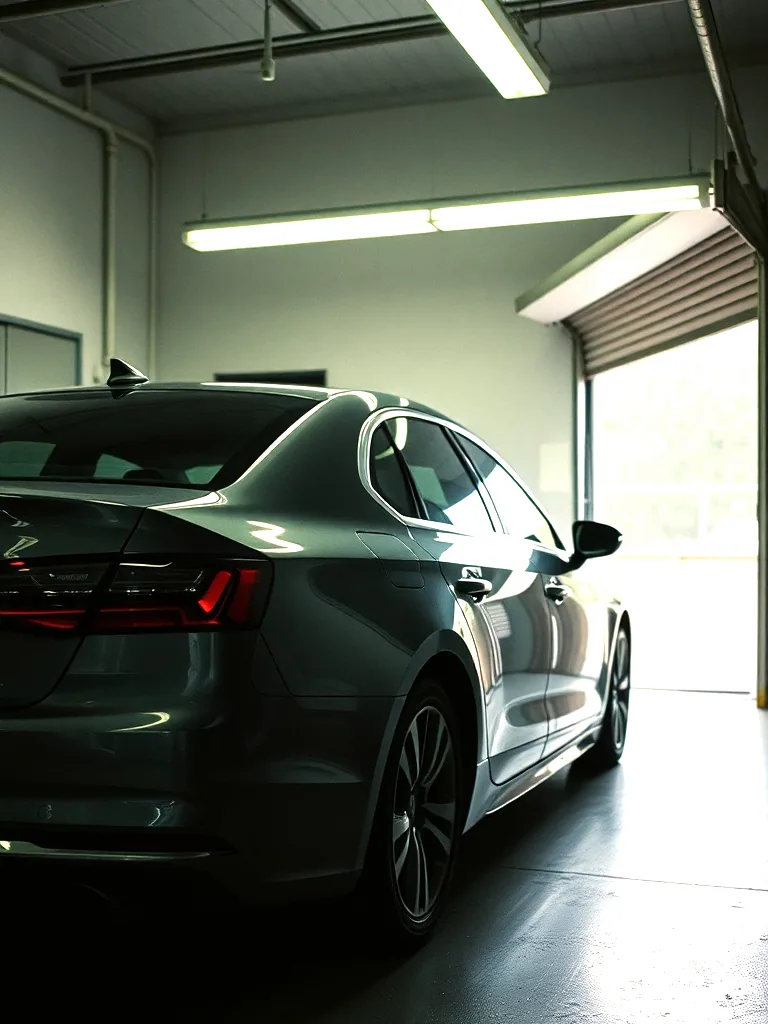
Five levels, lightest to legal-limit and past it
Reads as clear glass from outside. People buy this one for heat and UV, not for privacy, and it is the only level that will not change how the car looks at all.
Legal on every window
$240 four doors, ceramic
You can see occupants clearly. Glare on a west-facing evening commute drops off sharply here, which is the honest reason to stop at 50 rather than push darker.
Legal on every window
$260 four doors, ceramic
What most people picture when they say tinted. Shapes are readable through it in daylight and gone at night. Two thirds of what leaves this shop is a full car at 35.
The darkest that is legal on a front door
$285 four doors, ceramic
Common on the back half of an SUV with a 35 front to match. Backing out of a driveway after dark takes more care, and the mirrors do more of the work.
Behind the driver only
$210 rear three, ceramic
Effectively opaque from outside in daylight. We put it on cargo vans and on rear glass, and we will say no if you ask for it on a front door, because a fix-it ticket costs more than the job did.
Behind the driver only
$210 rear three, ceramic
A 35% dyed film and a 35% ceramic film look the same in the parking lot. They do not feel the same in August, and only one of them is still black in five years. This is the part a quote should break out and usually does not.
| Film | Heat rejected | Holds colour | Signal | Four doors |
|---|---|---|---|---|
| Dyed | About 40% | Turns purple in three to five Missouri summers | No effect | $180 |
| Carbon | About 55% | Stays black, lifetime warranty | No effect | $230 |
| Ceramic | About 75%, and it is obvious on a steering wheel | Stays black, lifetime warranty | No effect | $285 |
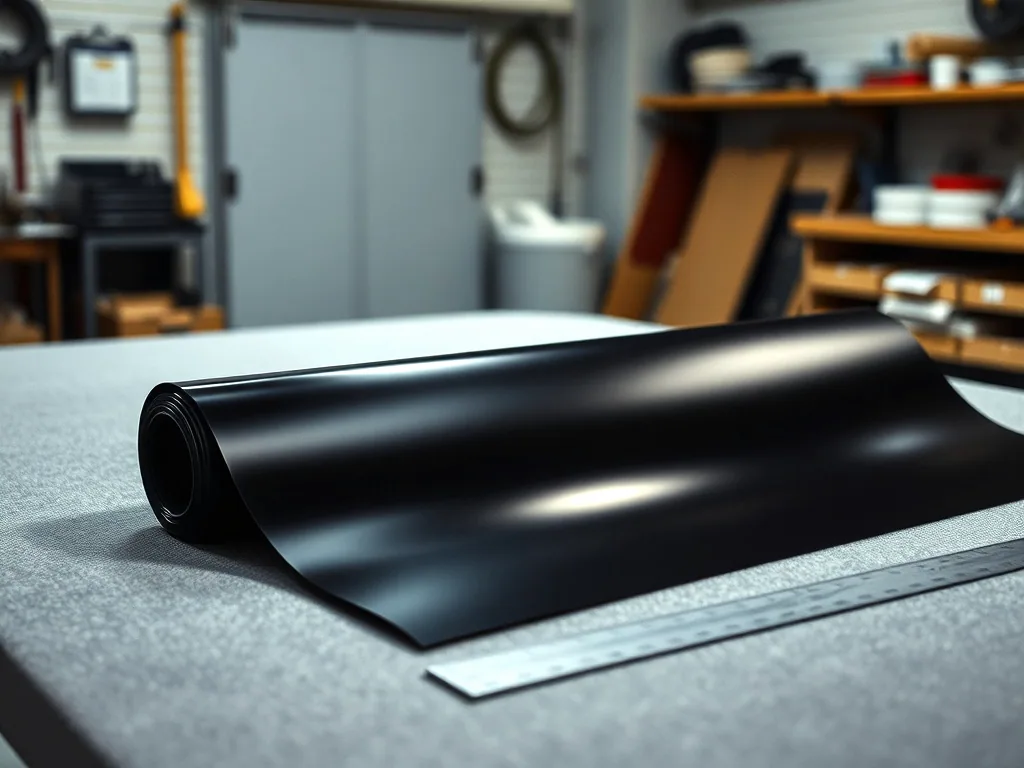
Clear urethane on the front bumper, hood edge and mirrors, which is where rock chips actually land on 35 and 291. Cut from a pattern for your specific year and body, not trimmed on the car.
Front partial from $650
Installed and programmed the same day on most vehicles. Push-to-start cars need a bypass module, which is the line that changes the quote, so we price it once we know the trim.
From $420 installed
Same films, wider rolls. West-facing living rooms and shop glass where the afternoon sun is fading the merchandise. Measured on site, no charge for the visit.
Quoted per opening